Women and Heart Disease: A Wake-Up Call for Awareness, Prevention, and Life-Saving Action
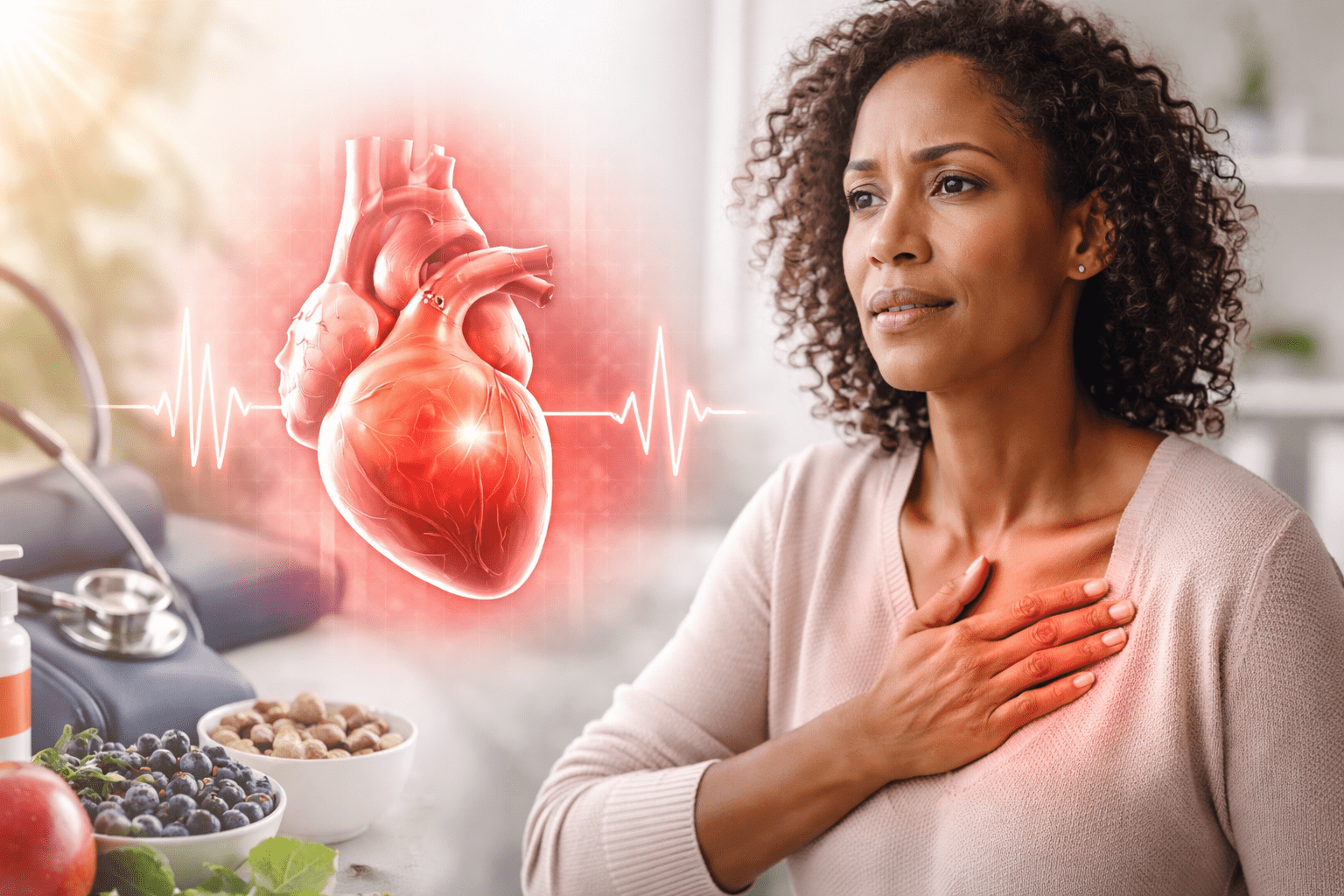
Heart disease isn’t just a health issue affecting men — it’s a critical and growing risk for women of all ages. Recent projections show that rates of heart disease and other cardiovascular conditions are expected to rise significantly among women over the coming decades, making prevention and early detection more important than ever.
Despite this, many women still underestimate their risk or aren’t aware of the unique symptoms and risk factors that can signal trouble earlier. In this comprehensive article, we explore why heart disease in women deserves urgent attention — from rising risk trends and common misconceptions to symptoms, prevention strategies, and long-term heart-healthy lifestyle changes.
Why Heart Disease in Women Is a Growing Concern
Traditionally, heart disease has been widely perceived as a “man’s disease.” However, research shows this couldn’t be further from the truth. Heart disease is — and remains — the leading cause of death among women worldwide, killing more women annually than all types of cancer combined.
In the United States alone, more than 60 million women are living with some form of heart or vascular disease, and approximately 1 in 5 female deaths are due to cardiovascular causes. Yet, awareness remains surprisingly low — only about half of women recognize that heart disease is their number one health risk.
A recent scientific forecast projects that by 2050:
- Nearly 60% of women will have high blood pressure, up from less than half today.
- Over 25% of women will have diabetes, a key contributor to heart disease.
- More than 60% will have obesity, another major risk factor.
- Rates of coronary heart disease, heart failure, stroke, and atrial fibrillation are all expected to increase among women.
These trends highlight not only the broad prevalence of heart disease in women, but also the fact that risk is rising among younger women and girls — a troubling sign that prevention efforts need to begin much earlier in life.
Unique Risk Factors in Women
While traditional risk factors like high blood pressure, smoking, high cholesterol, and obesity affect both men and women, some conditions disproportionately affect women or impact them in different ways:
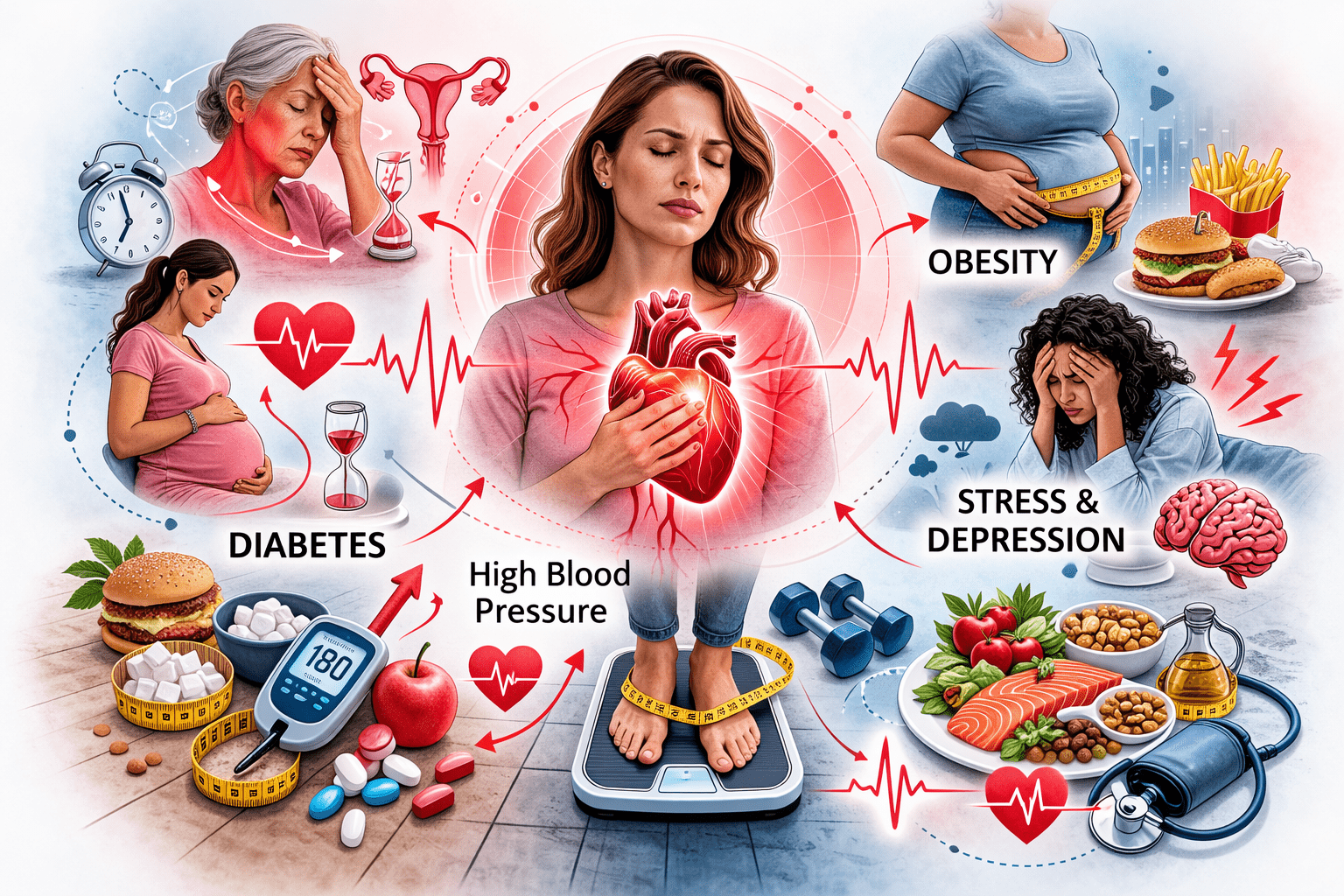
1. Hormonal Changes and Menopause
Estrogen offers protective benefits before menopause. After menopause, this protection diminishes, increasing a woman’s risk of heart disease significantly.
2. Pregnancy-Related Conditions
Some pregnancy complications — such as preeclampsia, gestational diabetes, and high blood pressure during pregnancy — can predict future cardiovascular disease risk later in life.
3. Autoimmune Diseases
Conditions like lupus and rheumatoid arthritis are more common in women and can trigger chronic inflammation that harms the heart.
4. Diabetes
Diabetes increases heart disease risk for both sexes, but the impact is often stronger in women and may accelerate heart disease progression.
5. Mental Stress and Depression
Studies show that depression and psychosocial stressors — which women tend to experience at higher rates — can significantly raise heart disease risk.
Symptoms of Heart Disease in Women
Heart disease symptoms in women can be different from the classic chest pain most people associate with heart attacks. These subtler or atypical symptoms may lead to delayed diagnosis or misinterpretation:
- Unusual fatigue that isn’t explained by activity
- Shortness of breath without chest discomfort
- Nausea or indigestion-like feelings
- Pain in the neck, jaw, or back
- Lightheadedness, dizziness, or fainting
- Cold sweats or unexplained anxiety
Because women are more likely than men to experience such “non-classic” symptoms — and because they often overlook them — heart attacks in women may go unrecognized until it’s too late.
Misconceptions About Women and Heart Disease
Several commonly held myths contribute to delayed diagnosis and treatment in women:
- Heart disease is only a man’s problem:
Women are just as likely — if not more in certain age groups — to develop heart disease. - Heart disease only occurs in older women:
While risk increases with age, younger women are increasingly developing heart attacks and cardiovascular issues. - Heart disease always causes chest pain:
Symptoms in women often present differently and may not include chest pain.
Long-Term Prevention: What Women Can Do Now
The most effective approach to beating the rise of heart disease among women begins with prevention and lifestyle improvement. The American Heart Association’s “Life’s Essential 8” outlines key daily habits linked to optimal heart health:
- Eat better: Focus on whole foods, fruits, vegetables, lean proteins, and healthy fats.
- Quit tobacco: Smoking and vaping dramatically increase heart risk.
- Get enough sleep: Poor sleep is linked to increased cardiovascular risk.
- Stay active: Regular exercise protects heart health.
- Control cholesterol: Manage LDL and total cholesterol levels.
- Manage weight: Healthy weight helps reduce strain on the heart.
- Manage blood sugar: Prevent or control diabetes to protect cardiovascular function.
- Manage blood pressure: High blood pressure increases heart disease and stroke risk.
In addition to these modifiable habits, women should maintain routine check-ups, ask about heart screenings early, and discuss family history and personal cardiovascular risk with their healthcare providers.
Heart Disease in Younger Women and Girls
Perhaps the most alarming trend is the rise in heart disease risk among younger women and girls:
- By 2050, projections suggest that nearly one in three women ages 22 to 44 could have some form of cardiovascular disease — up from less than one-quarter today.
- Obesity and diabetes rates among girls are increasing, setting the stage for earlier onset heart issues.
Early education, healthy eating, physical activity, and awareness of risk factors starting in childhood can help change this trajectory.
Why Awareness Matters: Statistics You Should Know
Here are some critical long-tail keyword phrases with related facts:
- Heart disease risk for women statistics: Over 60 million women in the U.S. have cardiovascular disease, and rates are rising.
- Heart disease symptoms in women: Women often present with subtle symptoms like fatigue, nausea, or jaw pain.
- Risk of heart disease in young women: Heart attacks among women aged 35–54 are increasing, with serious health consequences.
These long-tail keyword topics can help women find the specific information they need to take action.
Advocacy, Research, and the Future of Women’s Heart Health
One key reason women’s heart disease remains underrecognized is historical gaps in research. Women were long underrepresented in cardiovascular clinical trials, which has slowed the development of sex-specific diagnostics and treatments.
Fortunately, awareness campaigns, advocacy groups, and clinical research are shifting this narrative. Organizations focused on women’s heart health — such as advocacy groups, cardiology societies, and public health organizations — are pushing for:
- Greater representation of women in clinical research
- Increased public health education focused on women
- Better sex-specific diagnostic criteria
- Community outreach and early screening programs
Taking Heart Health to Heart
Heart disease in women is not only common — it’s growing faster than expected and affecting women at younger ages. But it’s also largely preventable, and awareness plays an essential role in reducing this risk.
By understanding their unique risk factors, recognizing symptoms early, and adopting heart-healthy lifestyles, women can take proactive steps to protect themselves — and empower their families and communities to do the same.
Don’t let heart disease go unnoticed. Start the conversation with your doctor, educate yourself and the women around you, and embrace prevention as a lifelong priority.